

 English
  русский
  Español
Understanding and Choosing the Right Printed PP Non Woven Fabric: A Complete Guide
Home / News / Industry News / Understanding and Choosing the Right Printed PP Non Woven Fabric: A Complete Guide
Content
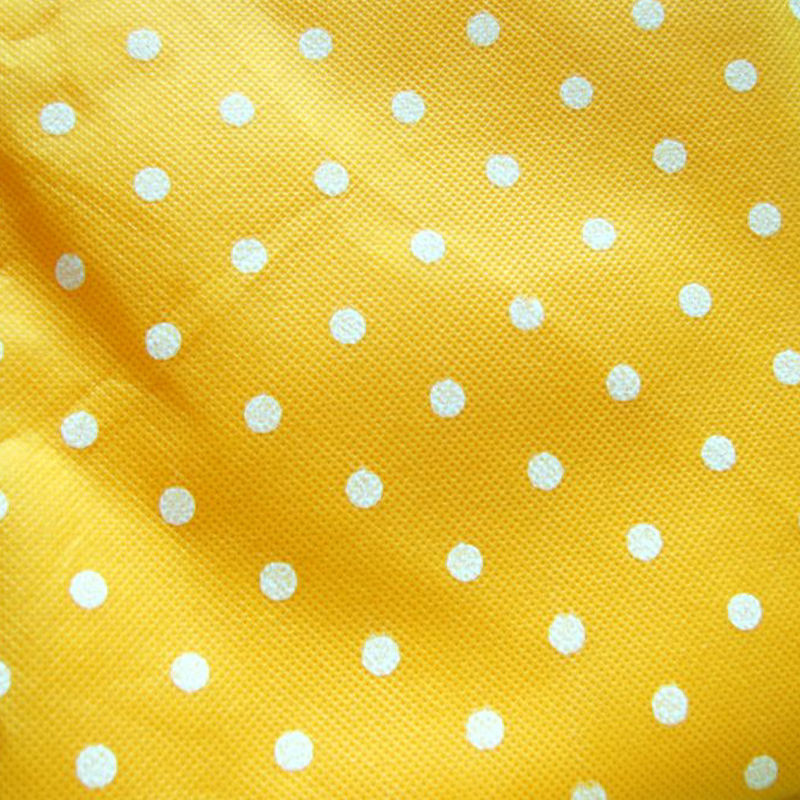
Printed PP Non Woven Fabric refers to a type of polypropylene-based fabric that is manufactured without weaving — the polypropylene fibers are bonded together, typically by heat or pressure, to form a continuous sheet. This sheet can then be printed with various designs, logos, or functional patterns, resulting in a material that is lightweight, cost-effective, and versatile. The "non-woven” nature means it does not unravel like woven textiles, and combined with printing, it becomes useful for many commercial and consumer applications.
The flexibility and cost-efficiency of Printed PP Non Woven Fabric make it a popular choice across various industries. Its use spans from everyday retail bags to protective coverings, thanks to its balance of strength, lightness, and printability. Because it's easily customizable, businesses can use this fabric to create branded items, promotional merchandise, or functional products such as bags and covers. The advantages of such fabric often outweigh traditional materials when considering cost, scalability, and environmental potential (especially compared to single-use plastics).
When evaluating Printed PP Non Woven Fabric, one of the most critical technical parameters is the fabric's weight, usually expressed in GSM (grams per square meter). This measurement significantly impacts the fabric’s sturdiness, durability, feel, and suitability for different applications. Lighter GSM fabrics may be adequate for single-use or light-duty bags, but for products like reusable shopping bags or protective covers, a higher GSM ensures better strength and longevity. Alongside GSM, thickness and density influence how the fabric handles weight, abrasion, and repeated usage — essential factors for long-term utility.
A major appeal of Printed PP Non Woven Fabric lies in its printable surface, which enables custom designs, logos, and branding. However, not all printing processes yield the same longevity or visual appeal. When selecting a fabric (especially for uses like reusable shopping bags — e.g., printed pp non woven fabric for reusable shopping bags), it's essential to assess print clarity, colorfastness, and how well the print withstands abrasion, washing, or exposure to external elements. A high-quality print will maintain its color and integrity through frequent use, while a poor-quality print may fade, crack, or peel — undermining both appearance and usability.
In recent years, environmental concerns have increased demand for materials that are reusable, recyclable, or at least less harmful than single-use plastics. The concept of eco friendly printed pp non woven fabric rolls has emerged as an alternative for environmentally conscious businesses and consumers. While polypropylene itself is a plastic, the reuse potential, lightweight transport, and recyclability (in certain contexts) make this fabric a more sustainable option than many disposable alternatives. However, sustainability depends on correct usage, disposal, and potential recycling pathways — so it's important to consider the entire lifecycle of the fabric when evaluating environmental benefits.
For businesses or buyers looking to procure Printed PP Non Woven Fabric at scale, partnering with a trustworthy supplier is essential. Many suppliers — especially in manufacturing hubs — offer bulk rolls or yardage suitable for production of bags, covers, or packaging. The keyword durable printed pp non woven fabric supplier china often appears in search queries for sourcing fabric at competitive rates. When evaluating suppliers, it's crucial to verify the fabric’s GSM consistency, print quality, delivery reliability, and compliance with any environmental or safety standards. Establishing clear communication about specifications and expectations upfront helps ensure you receive the right material for your project.
If you have a particular design, logo, or branding in mind, opting for custom services is often necessary. The phrase custom printed pp non woven fabric printing services reflects such demand — businesses may require custom patterns or brand visuals printed onto the non‑woven fabric. Custom printing typically involves setting up printing plates or digital print files, which may incur setup costs and minimum order quantities (MOQs). Understanding these terms is critical before committing to orders, especially for small businesses or startups. Striking the right balance between order size, cost-efficiency, and flexibility can help maximize value and avoid surplus inventory.
One of the most common applications of Printed PP Non Woven Fabric is in the creation of reusable shopping bags and retail packaging. Because the material is both lightweight and durable, and can be printed with brand logos or designs, it becomes an ideal medium for retail shops, trade shows, or promotional campaigns. For businesses seeking cost-effective branding and packaging solutions, using printed pp non woven fabric for reusable shopping bags offers several advantages — from lower manufacturing cost to better shipping efficiency and branding visibility. Reusable bags also align with sustainability initiatives, giving customers a durable, reusable alternative to single-use plastic bags.
Beyond retail packaging, Printed PP Non Woven Fabric is widely used for promotional items and event giveaways — such as conference bags, trade‑show totes, or branded merchandise. Because of its printability and customization potential, organizers and marketers can produce eye‑catching designs, company logos, or event branding. This use case is especially effective when the budget is limited but the need for visibility and distribution is high. Custom printed totes or covers made from PP non‑woven fabric can leave a lasting impression while remaining budget-friendly compared to cloth or canvas alternatives.
In industrial or agricultural settings, Printed PP Non Woven Fabric can serve as protective covers, plant wraps, or temporary protective sheets. Its properties — water resistance, tear resistance (relative to weight), and ease of handling in large rolls — make it practical for covering equipment, protecting goods during transport, or wrapping plant beds for weed control. The fabric is often selected when durability is desired but heavy-duty woven textiles would be overkill. For bulk utility purposes, its cost-effectiveness and ease of disposal/recycling (depending on local facilities) add to its appeal.
When comparing Printed PP Non Woven Fabric with traditional woven fabrics (such as cotton or polyester woven textiles), there are clear trade‑offs. Woven fabrics often feel higher-end, have strength and drape, and may offer premium appearance and comfort. However, they come at higher cost, are heavier, and their manufacturing is more resource‑intensive. Non‑woven PP offers affordability, light weight, and easier large-scale production — making it attractive for cost-sensitive, high-volume use cases like retail bags or disposable covers. For many commercial applications where premium feel is not required, non‑woven PP strikes the right balance between function and economy.
Compared to traditional plastic bags or laminated bags, Printed PP Non Woven Fabric offers notable advantages in durability, reusability, and environmental footprint. Plastic bags are cheap and lightweight but tend to be single‑use and environmentally damaging. Laminated bags may offer strength but can be heavy and non‑recyclable. On the other hand, non‑woven PP fabric — especially when produced thoughtfully — can be reused many times, decreasing per‑use environmental cost. For stakeholders focused on sustainable packaging or eco-conscious branding, non‑woven PP provides a stronger and more versatile alternative to disposable plastics.
For reusable bags, a GSM of around 70–90 gsm often provides a good balance between durability and flexibility. Fabrics in this range are sturdy enough to carry groceries or other heavy items, yet still remain light and cost‑effective. If you expect heavier loads or repeated long‑term use, going for 100 gsm or higher can improve longevity and reduce wear. Conversely, a lower GSM (40–60 gsm) may be too thin for repeated use and could lead to tearing or early wear. Always request a sample to test load-bearing capacity, flexibility, stitching compatibility, and print adhesion before ordering in bulk.
Yes — one of the benefits of Printed PP Non Woven Fabric is its potential for reuse and recyclability. While polypropylene is plastic, its relatively simple polymer structure (PP) makes it more amenable to mechanical recycling than complex, multi-material laminated bags. If local recycling facilities accept non‑woven PP, the fabric can be reprocessed. Moreover, the fact that such fabric is reusable (bags, covers, etc.) reduces the demand for single‑use plastics. That said, environmental impact depends on user behavior — frequent reuse, proper disposal, and local recycling capability. When evaluating sustainability — especially for "eco friendly printed pp non woven fabric rolls” — it’s important to consider the full lifecycle: production, use, and end-of-life disposal or recycling.
When sourcing from overseas suppliers, especially when targeting "durable printed pp non woven fabric supplier china” or similar, there are several critical factors to verify. Always ask for detailed specification sheets including GSM, roll size, bonding method, and print method. Request fabric swatches or pre-production samples to inspect print quality, durability, and texture before committing to large orders. Confirm the supplier’s lead times, minimum order quantities (MOQ), shipping logistics, packaging standards, and compliance with environmental or safety standards (if relevant to your market). Clear communication about requirements and testing of sample materials can prevent costly mistakes and ensure the fabric meets your expectations.
In many cases, yes — using Printed PP Non Woven Fabric for retail or promotional bags can be more cost‑effective than traditional cloth or woven materials. Because non‑woven PP is cheaper to produce, lighter to ship, and simpler to print custom designs on, the upfront manufacturing cost and logistics expenses are often lower. For businesses needing large volume but with budget constraints, this cost-efficiency becomes a key advantage. Over the lifecycle of the bag (especially with reuse), the cost per use tends to drop significantly compared to cloth or heavy woven materials. However, for premium markets where feel and durability over decades matter, traditional cloth may still be preferable. The decision depends on the intended use, longevity expectations, and target customer base.
Plain spunbond polypropylene fabric slides. On a high-speed bag cutting line that means off-square panels, misaligned ...
READ MOREAt a packaging plant in eastern China, switching reusable shopping-bag production from woven polypropylene to PP spunb...
READ MOREWhen a surgical mask specification requires a filtration layer that stops sub-micron particles, or an HVAC filter desi...
READ MOREAn N95 respirator and a reusable shopping bag are both made from polypropylene nonwoven, yet one captures 95 percent o...
READ MOREEvery purchase order for single-use polyethylene (PE) bags commits a facility to a waste stream that will outlive the ...
READ MORE




