

 English
  русский
  Español
What Is Non Woven Fabric? Definition, Examples & Woven Comparisons
Content
What Is Non Woven Fabric?
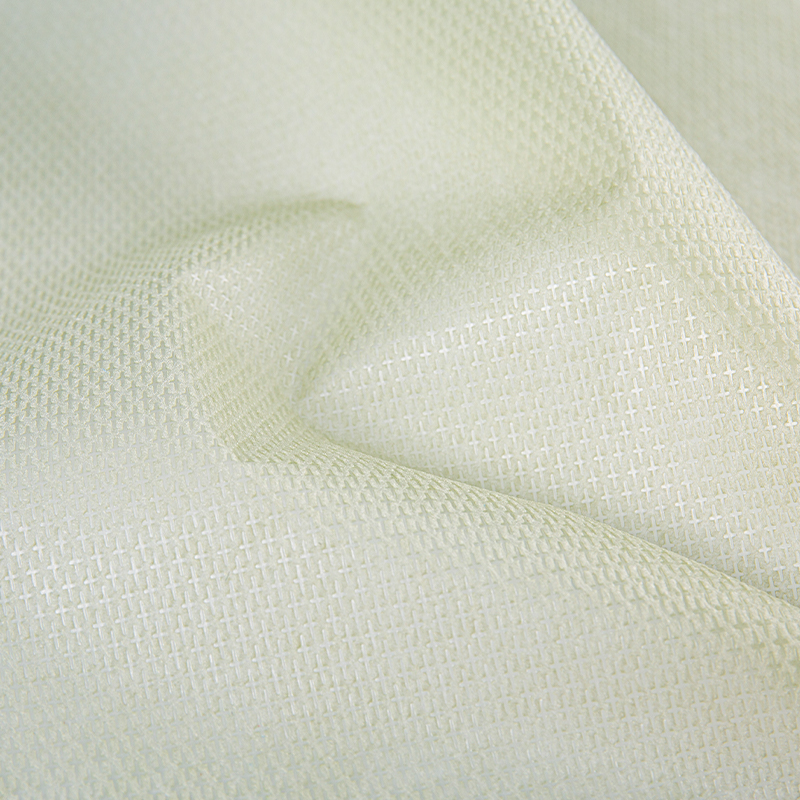
Non woven fabric is a sheet or web of fibers bonded together through mechanical, thermal, or chemical processes — without any weaving or knitting involved. Rather than interlacing threads on a loom, manufacturers lay fibers down in a mat and then fuse, needle-punch, or bond them into a coherent sheet. The result is a material that functions like a textile but is produced by an entirely different manufacturing process.
The formal definition used by the industry association INDA describes non woven fabrics as sheet or web structures bonded together by entangling fiber or filaments, by various mechanical, thermal, or chemical means — explicitly excluding materials made by weaving, knitting, tufting, or stitch-bonding with yarns or filaments. This distinguishes non wovens from all conventional textile manufacturing methods.
Non woven fabrics can be engineered from natural fibers such as cotton, wool, or jute, from synthetic polymers such as polypropylene, polyester, and nylon, or from blends of both. The specific fiber type, bonding method, and fabric weight determine the finished material's strength, permeability, softness, durability, and cost — giving manufacturers fine-grained control over performance for each intended application.
How Non Woven Fabric Is Made
Non woven production involves two main stages: web formation (laying the fibers down) and bonding (holding them together). Different combinations of these stages produce materials with very different properties.
Web Formation Methods
- Drylaid: Staple fibers are carded (combed) into a web and laid either in parallel or randomly. This is the most common method for absorbent and soft-feel applications.
- Spunbond: Continuous filaments are extruded directly from molten polymer, stretched, and deposited onto a conveyor belt as a random web before bonding. Spunbond polypropylene is one of the most widely produced non wovens in the world.
- Meltblown: Polymer is extruded through very fine nozzles using high-velocity hot air, producing extremely fine microfibers that form a dense, low-permeability web. Meltblown layers are the filtration core of surgical masks and N95 respirators.
- Wetlaid: Fibers are suspended in water and deposited onto a moving screen, similar to papermaking. Wetlaid non wovens are used in filtration, wipes, and specialty papers.
Bonding Methods
- Needle punching: Barbed needles mechanically entangle the fibers by repeatedly puncturing the web. Produces durable, thick fabrics used in geotextiles, carpet underlays, and industrial felts.
- Thermal bonding: Heat is applied to melt thermoplastic fibers within the web, fusing them at contact points. Calendering (hot rollers) and through-air bonding are the two main thermal processes.
- Chemical bonding: A binder (latex, acrylic, or other adhesive) is applied to the web and cured. Common in wipes, interlinings, and filter media.
- Hydroentanglement (spunlace): High-pressure water jets tangle the fibers together without any binder or heat. Produces soft, drapable fabrics used in wipes and medical applications.
Non Woven Fabric Examples and Applications
Non woven materials are found across almost every industry. Many everyday products are made from non wovens without the end user being aware of it.
- Medical and hygiene: Surgical gowns, drapes, face masks, N95 respirators, wound dressings, and the top sheets of disposable diapers and sanitary pads are all made from non woven fabrics. The combination of barrier performance, softness, and single-use economics makes non wovens ideal for medical applications.
- Reusable shopping bags: The "non woven bags" sold at supermarket checkouts worldwide are typically made from spunbond polypropylene — a lightweight, stitch-free material that can be heat-welded into bag shapes without sewing.
- Geotextiles and landscape fabric: Non woven polypropylene and polyester are used under roads, railways, and embankments for soil stabilization and drainage, and in gardens as weed-suppressing ground cover.
- Filtration: HVAC air filters, automotive cabin filters, oil filters, and water filtration cartridges all rely on non woven media for particle capture.
- Garment interlinings: The stiffening layer inside shirt collars, waistbands, and jacket lapels is almost always a non woven interfacing fused to the outer fabric with heat.
- Wipes: Wet wipes, baby wipes, household cleaning wipes, and industrial shop towels are manufactured from hydroentangled (spunlace) non wovens, often in blends of polyester and viscose.
- Construction and insulation: House wrap (such as Tyvek), roofing underlays, and acoustic insulation facings are non woven products designed for moisture management and structural protection.
- Automotive: Trunk liners, headliners, door panel inserts, and under-carpet noise-dampening layers in vehicles are commonly produced from needle-punched or thermally bonded non wovens.
Non Woven vs. Woven Fabric: Core Differences
Woven fabrics are produced by interlacing two sets of yarns — warp (lengthwise) and weft (crosswise) — at right angles on a loom. This interlaced structure gives woven fabrics their characteristic strength along both axes, their resistance to stretching in line with the weave, and their tendency to fray when cut. Non woven fabrics have no yarn structure at all; their fibers are bonded in a more or less random arrangement, which produces a distinct set of properties.
| Property | Woven Fabric | Non Woven Fabric |
|---|---|---|
| Structure | Interlaced warp and weft yarns | Bonded fiber web, no yarn structure |
| Tensile strength | High, especially along grain lines | Moderate; more uniform across directions |
| Fraying when cut | Yes — edges must be finished | No — edges are stable |
| Drape and hand feel | Generally softer, more fluid | Varies; can be stiff or soft depending on process |
| Durability | High; suitable for repeated use and washing | Ranges from single-use to multi-year lifespan |
| Production speed | Slower; requires spinning yarn first | Faster; fiber to fabric in a single pass |
| Cost | Generally higher | Generally lower for comparable weight |
| Typical uses | Apparel, upholstery, technical textiles | Medical, filtration, geotextiles, disposables |
Woven vs. Non Woven Interfacing
Interfacing is a backing material applied to garment fabric to add structure, body, or stiffness. It is used in shirt collars, cuffs, waistbands, jacket fronts, bag panels, and anywhere a fabric needs to hold its shape. Both woven and non woven interfacings are widely available, and choosing between them affects the behavior of the finished garment.
Woven interfacing has grain lines, just like any other woven fabric. It must be cut on the same grain as the outer fabric to prevent pulling or distortion. It stretches slightly on the bias, behaves predictably under stress, and tends to produce a more tailored, structured result. It is the preferred choice for high-end garments, tailored jackets, and applications where the interfacing will be under regular mechanical stress.
Non woven interfacing has no grain direction — it can be cut at any angle without affecting behavior, which simplifies layout and reduces fabric waste. It does not ravel when cut and is generally less expensive. However, non woven interfacing tends to feel stiffer and less drapable than woven interfacing of the same weight, and it can crack or break down more quickly with repeated laundering. It is well suited for craft projects, bag making, and applications where ease of use matters more than longevity or drape.
Both types are available in sew-in and fusible (iron-on) versions. Fusible non woven interfacing is one of the most common craft materials in the world, sold in nearly every fabric and hobby store under brand names such as Pellon.
Woven vs. Non Woven Landscape Fabric
Landscape fabric — also called weed barrier or ground cover fabric — is available in both woven and non woven versions, and the difference has significant practical implications for garden and agricultural use.
Woven landscape fabric is manufactured from polypropylene or polyester yarns woven into a grid-like structure. The open weave creates defined pores that allow water and air to pass through freely while blocking light from reaching weed seeds below. Woven geotextile fabric is more durable, resists puncture and tearing, and holds up better under heavy mulch, foot traffic, or gravel. It is the preferred choice for driveways, pathways, around established shrubs, and commercial landscaping projects where longevity is a priority.
Non woven landscape fabric is needle-punched or spunbond polypropylene with a felt-like texture. It has very fine, randomly distributed pores. Non woven landscape fabric is softer and easier to cut and install, but its smaller pore size means it is more susceptible to clogging with fine soil particles over time — eventually reducing water permeability. It is better suited for lightweight applications such as covering vegetable beds, row covers, or temporary erosion control.
For most permanent landscaping installations where the fabric will be covered with mulch or rock and left in place for several years, woven landscape fabric is generally the more practical long-term choice. Non woven fabric works well for seasonal or annual applications where fabric replacement is expected.
Woven vs. Non Woven Bags
The reusable shopping bags sold at grocery store checkouts come in both woven and non woven versions, and while they may look similar at first glance, they differ in construction, durability, feel, and environmental profile.
Non woven bags — the most common type — are made from spunbond polypropylene. The fabric is cut into panels and joined by heat sealing or ultrasonic welding rather than stitching, which keeps manufacturing costs very low. They are lightweight, water-resistant, and hold their shape well. The main limitation is durability: the bonded fiber structure is vulnerable to tearing if overloaded or stressed repeatedly at stress points like handles and seams. Most non woven polypropylene bags are rated for 20–30 uses under normal conditions, though well-made versions can last considerably longer.
Woven bags — typically made from woven polypropylene, cotton canvas, or jute — have a conventional textile structure with interlaced yarns. They are generally stronger, more flexible, and more resistant to tearing under load. Woven polypropylene bags in particular offer excellent load capacity and weather resistance at low cost, while cotton and jute bags are preferred where a natural, premium appearance is desired. Woven bags are typically stitched rather than welded, which adds to production cost but improves seam strength.
From a sustainability standpoint, a 2011 UK Environment Agency study found that a non woven polypropylene bag needs to be reused at least 11 times to offset the environmental impact of a single-use plastic bag. A cotton bag requires far more reuses — over 100 — due to the resource intensity of cotton cultivation. Non woven polypropylene bags, used consistently, are among the most environmentally efficient reusable bag options available.




