

 English
  русский
  Español
Polyester Non Woven Fabric & Fleece Clothing Manufacturing Explained
Content
- 1 What Non Woven Fabric Polyester Actually Is — and How It Is Made
- 2 How Polyester Nonwoven Differs From the Woven and Knitted Polyester Used in Apparel
- 3 What a Company That Makes Fleece Clothing Uses: Materials, Fabric Construction, and Sourcing
- 4 Fleece Fabric Weights, Grades, and Performance Specifications
What Non Woven Fabric Polyester Actually Is — and How It Is Made
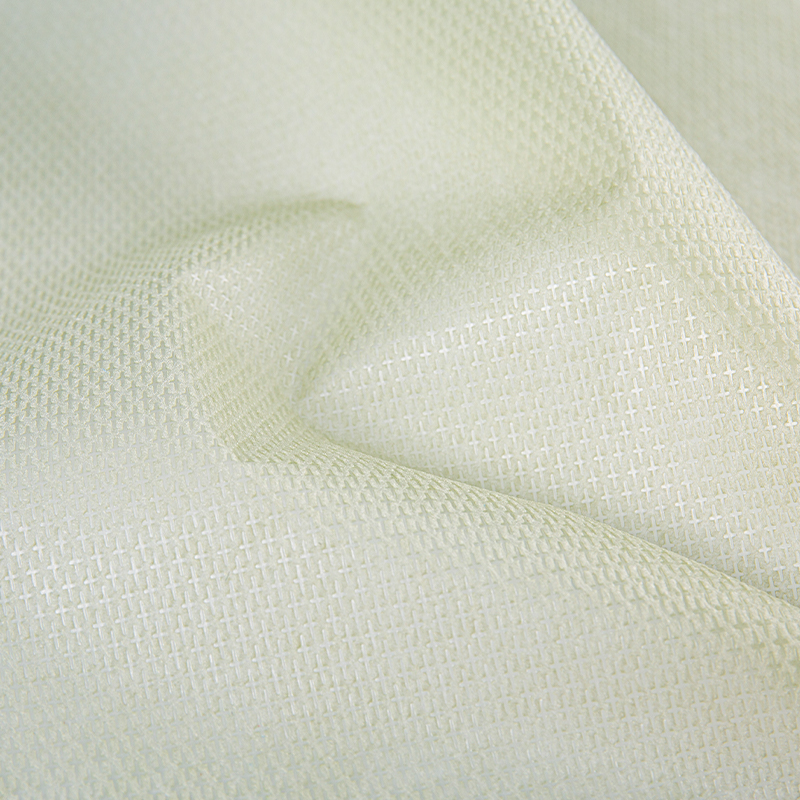
Non woven fabric polyester is a sheet material made directly from polyester fibers or filaments bonded together through mechanical, thermal, or chemical processes — bypassing the weaving or knitting steps used in conventional textile manufacturing. The result is a fabric-like material in which fibers are randomly or directionally oriented and locked into position, rather than interlaced in the regular over-under pattern of woven cloth or the looped structure of knitted fabric.
The three primary bonding methods each produce distinctly different material characteristics. Spunbond nonwovens are made by extruding continuous polyester filaments directly onto a moving conveyor belt, then thermally bonding them with heated rollers — this produces a strong, dimensionally stable fabric used in geotextiles, medical gowns, and agricultural covers. Needle-punch nonwovens use barbed needles to mechanically entangle polyester staple fibers into a dense felt-like structure, producing the thick, durable fabrics used in carpet backing, filtration media, and automotive interiors. Spunlace (hydroentangled) nonwovens use high-pressure water jets to entangle fibers without chemical binders, producing a softer, more textile-like hand feel suitable for wipes, medical dressings, and apparel interlinings.
Polyester is the dominant fiber choice for nonwovens globally because of its combination of low cost, thermal bondability, chemical resistance, and dimensional stability. PET (polyethylene terephthalate) polyester melts at approximately 260°C, making it readily processable through thermal bonding without adhesives. Its hydrophobic nature resists moisture absorption — a property that is advantageous in filtration and outdoor applications but requires surface treatment when liquid absorbency is needed, as in hygiene and medical nonwovens.
How Polyester Nonwoven Differs From the Woven and Knitted Polyester Used in Apparel
The distinction between nonwoven, woven, and knitted polyester structures is not merely academic — it determines stretch behavior, tear resistance, drapability, breathability, and recyclability in ways that directly affect end-use performance. Woven polyester fabrics have interlaced warp and weft threads that provide high tensile strength in both directions with minimal stretch unless elastane is incorporated. Knitted polyester structures — including the circular-knit constructions used in activewear and the warp-knit constructions used in swimwear and lingerie — have inherent stretch in at least one direction due to their looped architecture.
Nonwoven polyester fabrics generally have lower tensile strength per unit weight than equivalent woven constructions but can be produced at significantly lower cost and in a continuous roll-to-roll process with no thread preparation or loom setup required. They also offer isotropic or near-isotropic properties in the plane of the fabric — meaning strength and elongation are similar in all directions — which is advantageous in filtration and geotextile applications where stress directions are unpredictable.
For apparel applications, nonwoven polyester serves primarily as an interlining or structural component rather than a face fabric. Fusible nonwoven interlinings — heat-bonded to the wrong side of woven shell fabrics in collars, cuffs, plackets, and waistbands — provide body and shape retention without adding significant bulk. The nonwoven component in a finished garment is typically invisible to the consumer but essential to the garment's drape and dimensional stability through repeated washing and wearing.
What a Company That Makes Fleece Clothing Uses: Materials, Fabric Construction, and Sourcing
A company that makes fleece clothing uses polyester as its primary raw material — but the fleece fabric itself is a knitted, not nonwoven, construction. This distinction is important. Fleece is produced by knitting polyester yarns into a base fabric and then mechanically raising and shearing the fiber surface to create the characteristic soft, lofted pile. The knitted loop structure underneath provides stretch and recovery; the raised fiber surface provides insulating loft and the tactile softness associated with fleece.
The polyester used in fleece manufacturing comes in several forms depending on the intended performance tier:
- Standard virgin PET polyester yarn: The baseline raw material for commodity fleece. Consistent quality, well-understood processing behavior, and widely available from yarn producers in China, Taiwan, South Korea, and India. Used in value-tier fleece for promotional apparel, workwear, and budget outerwear.
- Recycled polyester (rPET) yarn: Produced from post-consumer PET bottles or post-industrial polyester waste. A company that makes fleece clothing in the outdoor or activewear segment increasingly specifies rPET to meet sustainability commitments and consumer expectations. rPET fleece carries certifications such as GRS (Global Recycled Standard) or bluesign, which provide chain-of-custody verification from bottle collection through finished fabric. Manufacturing rPET yarn requires approximately 30–50% less energy than virgin PET production.
- Specialty fibers and blends: Premium fleece manufacturers may blend polyester with Merino wool for added natural odor resistance and temperature regulation, or use bicomponent polyester fibers with a core-sheath structure that provides specific stretch or moisture-wicking characteristics not achievable with single-component yarn.
Beyond raw fiber, fleece clothing manufacturers source finished fabric from mills that handle knitting, napping, shearing, dyeing, and finishing — most commonly located in China, Vietnam, Bangladesh, and Turkey. Lead times from fabric order to finished roll typically run 45–90 days for standard constructions, with custom weights, colors, and finishes extending this timeline. Brands with high volume and long-term mill relationships often co-develop proprietary fabric specifications that differentiate their fleece performance from commodity offerings.
Fleece Fabric Weights, Grades, and Performance Specifications
Fleece fabric is categorized primarily by weight — expressed in grams per square meter (GSM) — which correlates broadly with warmth, bulk, and intended use. The three commercial weight tiers are widely recognized across the outdoor and apparel industry:
- Lightweight fleece (100 GSM class): Thin, highly packable, and fast-drying. Used as a base layer or light mid-layer in active pursuits where breathability and moisture transport are prioritized over warmth. Dries faster than heavier grades and adds minimal bulk under a shell jacket.
- Midweight fleece (200 GSM class): The most versatile and commercially dominant weight. Provides meaningful warmth as a standalone layer in cool but not cold conditions, and functions as an effective mid-layer beneath a hardshell or softshell in colder environments. The 200-weight category encompasses the majority of fleece jackets, pullovers, and vests sold globally.
- Heavyweight fleece (300 GSM class and above): Maximum warmth and loft, typically used in cold-weather jackets, blankets, and outerwear designed for stationary or low-activity cold-weather use. Slower to dry than lighter grades and less packable, but significantly warmer per garment.
Beyond weight, a company that makes fleece clothing evaluates fabric specifications including pill resistance (measured by standard abrasion tests such as Martindale or pilling box tests), anti-static treatment, DWR (durable water repellent) finish for moisture shedding, and stretch percentage in warp and weft directions. Pilling resistance is a particular quality differentiator in the fleece category — low-grade polyester fiber and insufficient napping and shearing quality produce garments that develop unsightly fiber pills on the surface within a few washes, a common consumer complaint that drives brand perception of fleece quality more than almost any other single attribute.




