

 English
  русский
  Español
PP Spunbond Non Woven Fabric: Properties, Types & Applications
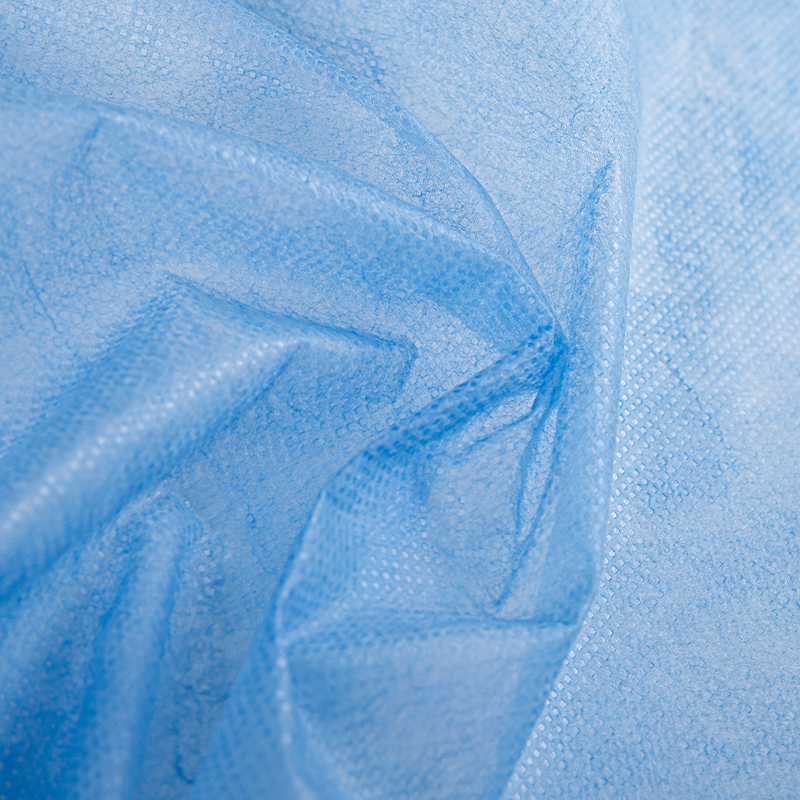
PP spunbond non-woven fabric is the most widely used non-woven fabric in the world, valued for its combination of low cost, light weight, chemical resistance, and versatile performance across gsm (grams per square meter) ranges from 10 gsm to 150 gsm. Made by extruding continuous polypropylene filaments and thermally bonding them into a web without weaving or knitting, spunbond PP fabric delivers consistent tensile strength, good breathability, and excellent moisture resistance — properties that make it the default material for medical disposables, agricultural covers, geotextiles, hygiene products, and reusable shopping bags. If you are sourcing non-woven fabric and need to choose between types or specify the right gsm grade, this article provides the technical grounding and practical selection guidance you need.
Content
- 1 What PP Spunbond Non-Woven Fabric Is and How It Is Made
- 2 PP Spunbond vs. Other Non-Woven Fabric Types
- 3 GSM Grades Explained: Selecting the Right Weight
- 4 Key Performance Properties and Test Standards
- 5 Major Applications of PP Spunbond Non-Woven Fabric
- 6 Functional Treatments and Value-Added Finishes
- 7 Sustainability Profile and Recyclability
- 8 Practical Buying Checklist for PP Spunbond Non-Woven Fabric
What PP Spunbond Non-Woven Fabric Is and How It Is Made
PP spunbond non-woven fabric is produced through a continuous, integrated manufacturing process that converts polypropylene resin pellets directly into a bonded fabric web in a single production line. The process begins with melting virgin or recycled polypropylene resin at temperatures of 220–280°C and extruding it through a spinnerette with thousands of fine holes. The extruded filaments are then quenched with air, drawn down to fine diameters (typically 15–35 microns), and laid onto a moving conveyor belt in a random web pattern.
The loose web of filaments passes through heated calendar rolls that apply localized pressure at a regular diamond or dot pattern, thermally bonding the filaments together at contact points without any adhesive or chemical binders. This thermal point-bonding is what gives spunbond fabric its characteristic texture and dimensional stability. The finished fabric is then slit and wound into rolls for downstream conversion.
Why Polypropylene Is the Dominant Resin Choice
Polypropylene is the preferred polymer for spunbond non-woven fabric for several practical reasons. It has a low melting point (~165°C) that simplifies thermal bonding, a density of only 0.90–0.91 g/cm³ — the lowest of any common thermoplastic — which produces lightweight fabric at low material cost. PP is inherently hydrophobic (water contact angle ~104°), chemically inert to most acids and alkalis, and resistant to mold, bacteria, and most common solvents. It is also fully recyclable and can be produced in a wide range of colors by adding masterbatch during extrusion.
PP Spunbond vs. Other Non-Woven Fabric Types
Non-woven fabrics encompass a broad family of materials produced by different bonding methods and fiber types. Understanding how PP spunbond compares to the main alternatives helps buyers select the most cost-effective and technically appropriate material for their application.
| Fabric Type | Bonding Method | Typical Fiber | Strength | Softness | Relative Cost |
|---|---|---|---|---|---|
| PP Spunbond | Thermal point bonding | Continuous PP filament | High | Moderate | Low |
| Meltblown (MB) | Self-bonding (entanglement) | Micro PP fiber (1–5 µm) | Low | High | Medium–High |
| SMS / SMMS | Laminated spunbond + meltblown | PP filament + PP microfiber | High | High | Medium |
| Needle Punch | Mechanical entanglement | PP, PET, natural staple fibers | Very High | Moderate | Medium |
| Spunlace (Hydroentangled) | Water jet entanglement | Viscose, PET, cotton | Moderate | Very High | High |
| Thermobond (Carded) | Thermal bonding of staple fibers | PP/PET bicomponent staple | Moderate | Very High | Medium |
SMS (Spunbond-Meltblown-Spunbond) laminate deserves special mention as it is directly derived from PP spunbond technology. By sandwiching a meltblown layer between two spunbond layers, SMS combines the barrier filtration properties of meltblown microfibers with the structural strength of spunbond. SMS fabric at 25–45 gsm is the standard material for surgical gowns, drapes, and N95-grade respirator filter layers — applications where single-layer spunbond alone would lack either the barrier performance or the softness required.
GSM Grades Explained: Selecting the Right Weight
GSM (grams per square meter) is the single most important specification variable for PP spunbond non-woven fabric. It directly determines fabric weight, tensile strength, opacity, barrier performance, and cost. PP spunbond is commercially produced across a gsm range of 10 gsm to 150 gsm, with distinct performance bands for different application categories.
| GSM Range | Tensile Strength (MD, approx.) | Typical Applications |
|---|---|---|
| 10–15 gsm | 15–25 N/5cm | Diaper topsheet, feminine hygiene liner, light hygiene coverstock |
| 17–25 gsm | 30–50 N/5cm | Surgical mask outer layer, disposable bed sheets, light medical drapes |
| 30–40 gsm | 55–80 N/5cm | Reusable shopping bags, agricultural crop cover, furniture backing |
| 50–70 gsm | 90–130 N/5cm | Heavy-duty reusable bags, packaging wrap, seedling root bags |
| 80–100 gsm | 150–200 N/5cm | Geotextile separation layer, construction wrap, automotive interior |
| 120–150 gsm | 220–300+ N/5cm | Heavy geotextile, erosion control blanket, industrial filtration |
For buyers sourcing reusable shopping bags, 80 gsm is the widely accepted minimum weight for a bag that holds 5–8 kg of groceries without tearing at the handles. For agricultural frost protection covers used in spring and autumn, 17–30 gsm provides adequate light transmission (60–80%) while offering 2–4°C of frost protection for sensitive crops — a well-documented performance range supported by agricultural extension research in Europe and North America.
Key Performance Properties and Test Standards
Specifying PP spunbond non-woven fabric for professional procurement requires familiarity with the test methods used to measure and verify performance claims. Published specifications without referenced test standards are difficult to compare or verify.
Tensile Strength and Elongation
Tensile strength is measured in both the machine direction (MD — parallel to fabric travel on the production line) and the cross direction (CD — perpendicular). PP spunbond typically shows MD/CD tensile ratios of 1.2:1 to 2.0:1, meaning it is somewhat stronger along the machine direction. The standard test methods are ISO 9073-3 or ASTM D5034 (grab tensile) and ASTM D5035 (strip tensile). Elongation at break for spunbond PP typically ranges from 50–80% (MD) and 60–100% (CD), providing sufficient stretch to accommodate dynamic loads in packaging and protective cover applications.
Hydrostatic Head (Water Resistance)
Untreated PP spunbond is hydrophobic but not waterproof — it resists water droplet penetration but will allow water through under sustained pressure. Hydrostatic head (measured per ISO 811 or AATCC 127) for standard 30 gsm spunbond is typically 80–150 mm H₂O. For applications requiring higher water resistance (medical gowns, outdoor covers), a hydrophobic finish or lamination with a polyethylene film raises hydrostatic head to 500–2,000 mm H₂O or above.
Air Permeability
Air permeability — measured per ISO 9237 in mm/s or cm³/cm²/s at a defined pressure differential — is critical for applications where breathability matters, such as agricultural covers, hygiene products, and protective apparel. Standard 30 gsm PP spunbond has air permeability of approximately 1,500–3,000 mm/s at 100 Pa. Higher gsm grades and those with tighter bonding patterns have lower permeability, which can be desirable for barrier applications but is a limitation for crop covers where CO₂ exchange is needed.
UV Stabilization
Standard PP degrades rapidly under UV exposure — untreated PP spunbond can lose 50% of its tensile strength within 200–400 hours of direct sunlight exposure (equivalent to 3–6 weeks in summer conditions). UV-stabilized grades incorporate HALS (hindered amine light stabilizers) or UV absorbers during extrusion, extending outdoor service life to 12–36 months depending on additive loading. For agricultural, construction, or outdoor applications, always specify UV-stabilized grades and confirm the rated outdoor service life from the supplier.
Major Applications of PP Spunbond Non-Woven Fabric
PP spunbond's combination of low cost, processability, and tunable performance has made it the foundation material across a remarkably diverse set of industries. The following are the most significant application areas with specific gsm and property requirements for each.
Medical and Hygiene Products
The global medical non-woven market is one of the largest end-use segments for PP spunbond. Surgical gowns, drapes, face masks, and caps use 20–45 gsm spunbond — typically as part of SMS or SMMS laminates — where the spunbond layers provide structural integrity and the meltblown core provides bacterial filtration. Diaper and feminine hygiene coverstock uses 12–18 gsm hydrophilic-treated spunbond (surface-treated to allow rapid fluid strikethrough into the absorbent core below). The global disposable hygiene products market consumed an estimated 1.8 million metric tons of PP spunbond in 2023, making it the largest single end-use segment.
Agriculture: Crop Protection and Mulching
PP spunbond agrotextiles serve two distinct agricultural functions. As row covers and frost protection blankets (17–30 gsm, UV-stabilized), they extend growing seasons, protect against frost, and reduce wind damage while allowing rain and light penetration. As weed suppression mulch (50–80 gsm, black pigmented), they block photosynthesis to prevent weed germination while remaining permeable to water and air for soil health. Studies by agricultural research institutes in the EU have documented yield improvements of 15–30% for strawberries, tomatoes, and peppers grown under spunbond row covers compared to unprotected crops.
Geotextiles and Civil Engineering
In civil engineering, PP spunbond geotextiles serve separation, filtration, and drainage functions. As a separation layer between subgrade soil and aggregate base courses in road construction (80–150 gsm), spunbond prevents fine soil particles from migrating upward into the aggregate, maintaining drainage performance and structural integrity over the road's service life. As a drainage envelope around perforated drainage pipes, spunbond allows water ingress while preventing soil particle migration that would clog the drain. Geotextile applications consume significant volumes of heavier-weight spunbond and benefit from the material's chemical inertness and long-term biological stability in soil environments.
Packaging and Reusable Bags
Reusable PP spunbond shopping bags have become a major market since plastic bag restrictions and bans were implemented in over 60 countries between 2015 and 2023. A standard 80 gsm reusable tote bag uses approximately 60–80 g of PP spunbond fabric, can be reused 50–100+ times before degrading, and has a significantly lower life-cycle environmental impact than single-use plastic bags after approximately 10–15 uses. Gift wrap, furniture packaging, and industrial component wrapping also use PP spunbond at 40–70 gsm for its combination of tear resistance, printability, and cost efficiency.
Automotive and Construction
In automotive manufacturing, PP spunbond is used for trunk liners, hood insulators, door panel backing, and carpet underlays where its combination of light weight, dimensional stability, and acoustic dampening properties add value at low material cost. In construction, spunbond house wrap at 60–100 gsm serves as a weather-resistive barrier behind cladding, resisting liquid water penetration while allowing water vapor to pass from inside to outside — a critical function in preventing condensation and mold within wall assemblies.
Functional Treatments and Value-Added Finishes
Base PP spunbond fabric can be modified through surface treatments, lamination, and additive packages to expand its performance range significantly. Understanding these options allows specifiers to match the fabric precisely to demanding application requirements.
- Hydrophilic finish: Surfactant treatment applied to the fabric surface makes hydrophobic PP wettable; used for diaper and sanitary product coverstock where rapid fluid strikethrough is required. Durability varies — single-use grades use non-durable surfactants, while durable hydrophilic finishes survive multiple wash cycles for reusable hygiene applications.
- Hydrophobic / water-repellent finish: Fluorocarbon or silicone-based treatment enhances water and oil repellency beyond the natural hydrophobicity of PP; used for surgical gown outer layers, food service coveralls, and outdoor protective covers where splash resistance is needed.
- Antistatic treatment: Important for electronics packaging, cleanroom coveralls, and industrial applications where electrostatic discharge (ESD) could damage sensitive components or create ignition hazards in flammable atmospheres.
- Flame retardant (FR) treatment: Phosphorus-based or halogen-free FR additives either applied as a topical finish or incorporated into the resin during extrusion; required for automotive interior components, construction wraps, and furniture applications in markets with flammability regulations (e.g., EN 13501, FMVSS 302).
- PE or BOPP lamination: Bonding a polyethylene or biaxially oriented polypropylene film to one or both faces of the spunbond creates a fully waterproof composite while retaining the tear resistance of the spunbond substrate; common in heavy-duty bags, tarpaulins, and waterproof packaging.
- Antimicrobial treatment: Silver ion or zinc-based antimicrobial agents inhibit bacterial and fungal growth on the fabric surface; used in medical covers, food processing apparel, and air filtration media where microbial contamination is a hygiene concern.
Sustainability Profile and Recyclability
PP spunbond is a thermoplastic non-woven fabric and is technically recyclable through standard polypropylene recycling streams (resin identification code #5). Its single-polymer composition — unlike multi-fiber blends or laminated composites — simplifies recycling compared to many competing non-woven fabrics. Life-cycle assessment studies of reusable PP spunbond bags consistently show a lower cumulative energy demand and global warming potential than single-use polyethylene bags when used more than 10–15 times, which is well within the practical service life of a quality 80 gsm bag.
However, the sustainability picture is nuanced for disposable applications. Single-use medical spunbond products — surgical masks, gowns, and drapes — are classified as clinical waste in most healthcare systems and cannot enter standard recycling streams. Post-consumer collection and chemical recycling programs for medical non-wovens are being piloted in Europe and North America, but industrial-scale solutions remain limited as of 2024. For buyers with sustainability mandates, specifying products with recycled PP content (rPP) of 20–40% in non-medical applications is an available and increasingly viable option, with mechanical properties comparable to virgin PP spunbond at equivalent gsm.
Practical Buying Checklist for PP Spunbond Non-Woven Fabric
Whether sourcing for a specific product application or building a supplier qualification framework, the following checklist covers the critical specification and quality assurance points for PP spunbond procurement.
- Specify gsm with tolerance: State the target gsm and an acceptable tolerance band (e.g., 80 gsm ±5%); gsm uniformity (coefficient of variation <5% across the roll width) is a key quality indicator for converting applications.
- Request tensile strength data in both MD and CD: Confirm test method (ISO 9073-3 or ASTM D5035) and verify that values meet your application's minimum load requirements.
- Confirm UV stabilization grade for outdoor use: Ask for the rated outdoor service life and the UV additive system used; request accelerated weathering test data (ISO 4892-2 or ASTM G154) if available.
- Verify resin grade and virgin/recycled content: For food contact, medical, or pharmaceutical applications, confirm virgin resin and compliance with relevant food contact or biocompatibility standards (EU Reg. 10/2011, ISO 10993).
- Check roll dimensions and core specifications: Confirm roll width, roll outer diameter, core diameter (typically 76 mm or 152 mm), and maximum roll weight to ensure compatibility with your converting equipment.
- Request quality certificates and test reports: ISO 9001 manufacturing certification, OEKO-TEX Standard 100 (for skin-contact applications), and application-specific certifications (EN 13795 for surgical textiles, REACH compliance documentation) should be available on request from reputable suppliers.




