

 English
 русский
 Español

Printed PP Nonwoven Fabric: How to Choose the Right Print and Pattern for Gift Packaging
Home / News / Industry News / Printed PP Nonwoven Fabric: How to Choose the Right Print and Pattern for Gift Packaging
Content
During a recent mill comparison, three different rolls of printed PP nonwoven fabric carried the same specification on paper: 80 GSM spunbond polypropylene, flexographic print, red floral pattern. In hand, they were different materials. Pattern registration shifted up to 2 mm on one roll; ink rubbed off on a white cotton glove from another. Only one roll held its color after a wet rub test, and it came from Jiangyin Jingang Non-Woven Co., Ltd. The right print and pattern for gift packaging are not decorative decisions; they determine whether a bag survives transit, represents the brand, and meets unit-cost targets.
This guide lays out a four-step selection framework for packaging buyers, brand owners, and gift manufacturers: pattern family, print method, material weight, and supplier verification. Each step has measurable acceptance criteria that you can put directly into a purchase specification.
Printed PP nonwoven fabric is a spunbond polypropylene sheet with a design applied to its surface, engineered to combine a cloth-like drape with the strength of plastic film for packaging use.
The spunbond process lays continuous polypropylene filaments into a web and bonds them at controlled temperature, producing a textile-like sheet with measurable tensile strength, tear resistance, and moisture repellency. For gift packaging, four structural properties matter most:
Gift packaging buyers work with four pattern families on PP nonwoven fabric: checkered, cross, sesame, and custom printed. Each sends a different product message on the shelf.
| Pattern family | Surface appearance | Best-suited gift applications | Typical GSM range |
| Checkered | Woven-look squared grid | Casual textile-style bags, grocery gift sets | 60-100 |
| Cross | Diagonal crosshatch ribs | Structured shopping bags, premium wine bags | 70-110 |
| Sesame | Fine speckled dots | Soft-touch wraps, fabric liners inside boxes | 50-90 |
| Custom printed | Any graphic, logo, or photo | Branded one-time bags, seasonal collections | 60-120 |
Stock patterns such as checkered and cross carry no engraving cost and suit generic gift lines. Custom printed fabric carries the brand identity that drives reuse; a customer returns the bag to your store with your logo visible in transit. For branded gift runs, Jiangyin Jingang produces a dedicated PP printed spunbond fabric for gift packing in roll widths matched to standard bag layouts.
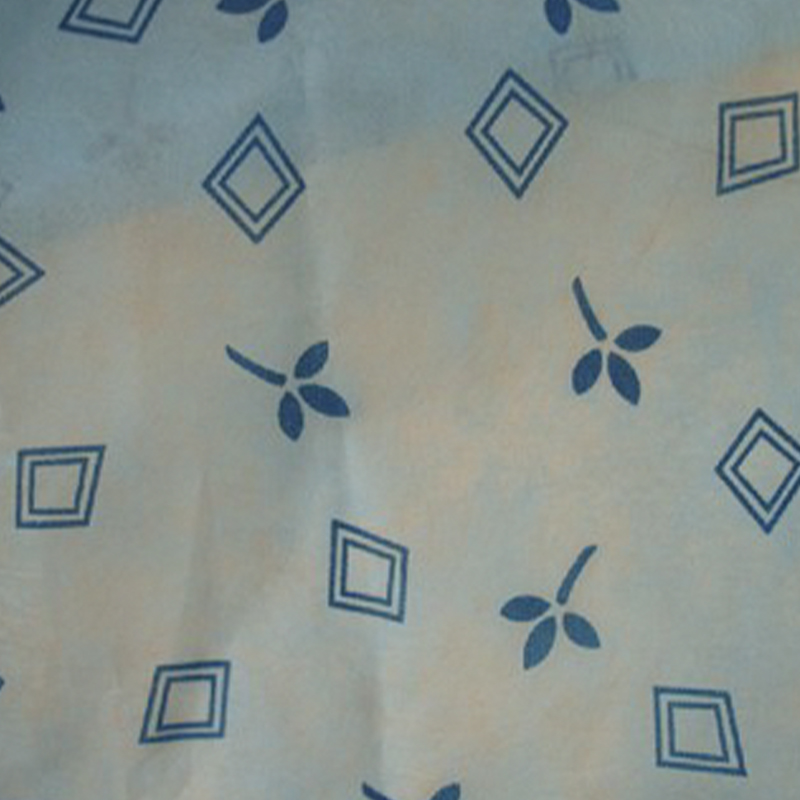 PP Printed Spunbond Nonwoven Fabric for Gift PackingThis printed nonwoven fabric from Jiangyin Jingang supports custom logos and patterns for branded gift bags, with roll widths matched to standard bag layouts. It helps carry brand identity in transit and allows customization before production.View Product →
The print method fixes the minimum order quantity, color depth, and unit cost before the first meter is produced, so the method must be chosen before the pattern is finalized.
| Method | Detail resolution | Color depth | Practical minimum order | Cost profile |
| Flexographic | Good for logos and flat-color graphics | Medium | 2,000 m per design | Low unit cost at volume |
| Rotogravure | Excellent for photographic images | High | 5,000 m per design | Lowest unit cost at scale |
| Digital | Very good for short-run detail | Medium-high | 200 m per design | Higher unit cost, fast setup |
Flexography uses soft photo-polymer plates and handles the porous surface of spunbond fabric well. Rotogravure engraves a metal cylinder per color, which demands high volumes but rewards them with the deepest color saturation. Digital printing skips plates entirely, making it the right fit for seasonal gift collections, pattern tests, and urgent replenishment orders. For a deeper comparison of how each system behaves on non-absorbent fibers, see our guide to printed PP nonwoven fabric printing methods and applications.
Grams per square meter (GSM) governs tear strength, bag stiffness, and how the bag drapes on a shelf, so the fabric weight must be matched to the heaviest item in the gift set.
A wine bottle bag needs stiffer structure than a jewelry pouch, because a 1.2 kg bottle deforms a soft sheet. For reusable gift lines, the cross pattern adds ribbed stiffness without increasing GSM; the cross-cambrella construction is a common choice for eco-friendly bags that must hold their shape across multiple gift cycles.
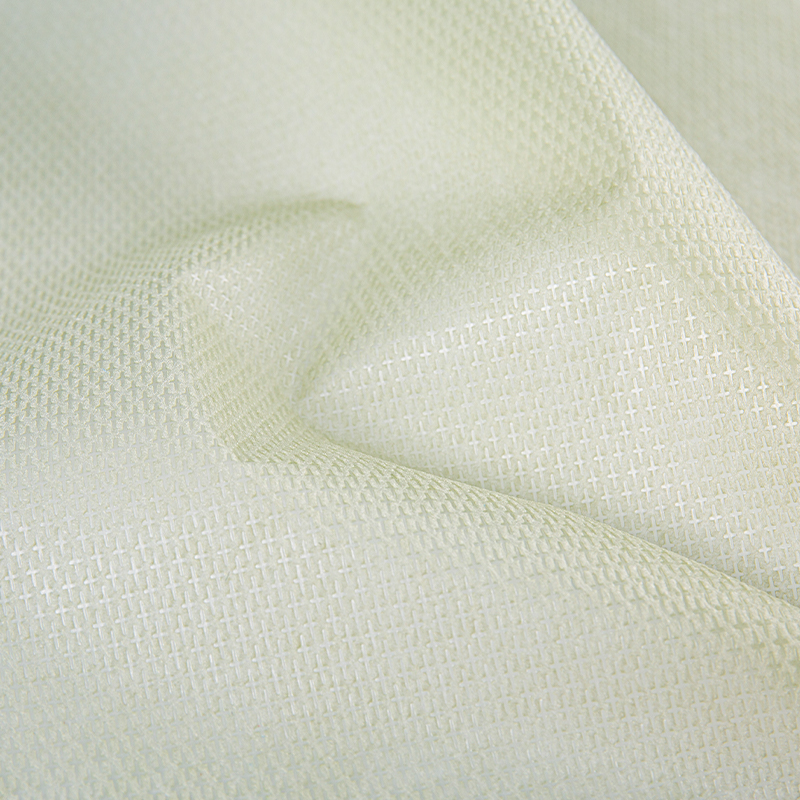 Cross Cambrella PP Spunbonded Nonwoven Fabric for Eco-friendly BagsThe cross-pattern construction adds ribbed stiffness without increasing GSM, helping eco-friendly gift bags hold their shape around heavier items like wine bottles. Suitable for reusable bags that must withstand multiple gift cycles.View Product →
Gift bag makers should also check the pattern repeat length against the bag face dimensions. A 75 cm repeat creates more cutting waste than a 50 cm repeat on a 25 cm bag panel. Ask the mill for the exact repeat length before quoting the run.
Supplier verification starts with print registration and ink adhesion, because those two parameters cause most field failures in printed PP nonwoven fabric for gift packaging.
For gift lines that extend into retail shopping bags, the same checks apply at full roll scale. A printed disposable PP nonwoven fabric roll for shopping bags typically runs at 60-80 GSM and needs the same registration control as a premium gift bag, because a misaligned logo is visible on every unit in the store.
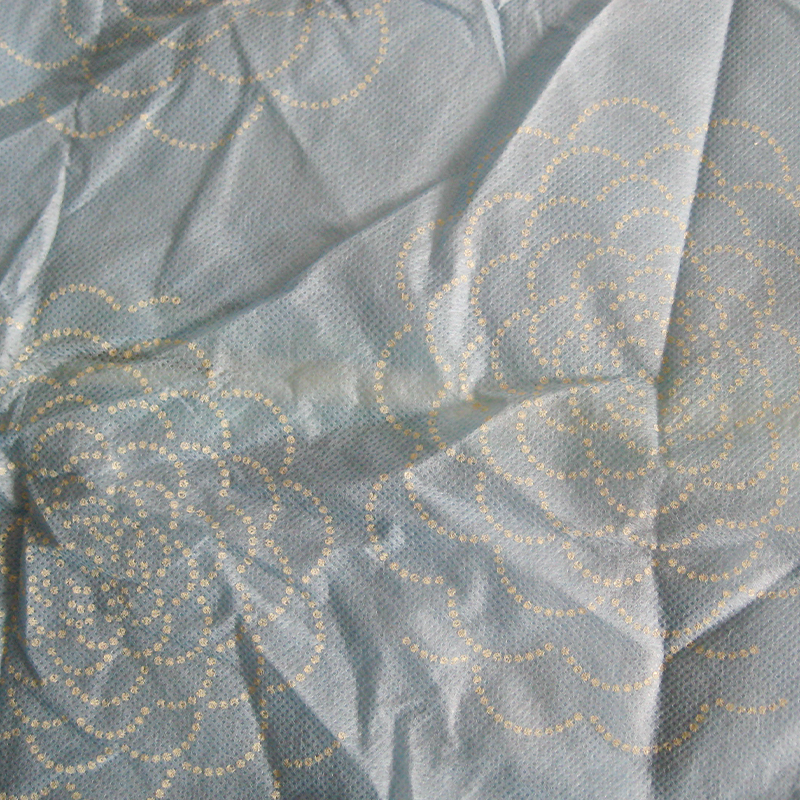 Printed Disposable PP Non-Woven Fabric Roll for Shopping BagThis roll is designed for retail shopping bags at typical 60-80 GSM weights, with high-precision printing for clear logos. It suits large-scale production and helps maintain registration control when extending premium gift lines into retail.View Product →
Four questions appear in nearly every request for quotation on printed PP nonwoven fabric for gift packaging.
Printed PP nonwoven fabric is a spunbond polypropylene sheet with an ink layer applied on top; regular nonwoven is sold unprinted, usually in white or a single color. The printing step adds branding options but also introduces two variables you must control: ink adhesion and registration accuracy.
Digital printing is the practical choice for runs under 1,000 m because it requires no plate or cylinder, so setup costs are nearly zero. You give up the lower unit cost of flexo or gravure at higher volumes, and if you reorder the same design repeatedly, the plate cost of flexo amortizes quickly.
For a reusable bag carrying a typical retail gift of 500 g to 1 kg, choose 80-90 GSM. If the bag will carry heavier items such as bottles or books, step up to 100-120 GSM. A cross pattern can add stiffness at the same GSM, which helps the bag stay upright on a shelf.
Ask for a strike-off printed with the actual production method and the same fabric GSM you intend to use. Run a wet rub test on the printed surface and measure pattern registration under consistent light. Verify fabric weight with a GSM cutter and scale, then compare it with the mill's test certificate.
During a recent mill comparison, three different rolls of printed PP nonwoven fabric carried the same specification on...
READ MOREThe question "How is PP spunbond nonwoven fabric manufactured?" deserves a concrete answer, because the polymer-to-rol...
READ MOREIn garment production, interlining defects surface late and cost money: a collar that bubbles after fusing, a lapel th...
READ MOREPlain spunbond polypropylene fabric slides. On a high-speed bag cutting line that means off-square panels, misaligned ...
READ MOREAt a packaging plant in eastern China, switching reusable shopping-bag production from woven polypropylene to PP spunb...
READ MORE




